In today's advanced world, electricity is present as one of the vital elements in all aspects of our lives, and we benefit from the methods of electricity production and distribution to its extensive uses in various fields; Therefore, electricity as a basic energy has a great impact on our lives, and in this regard, electrical panels also play a very important role in the distribution and control of electricity.
Electrical panels are divided into two general categories: household and industrial electrical panels, and each of these two electrical panels has its own functions and features, which we will introduce and compare in this article.
Differences of home electricity and industrial electricity
Household electricity and industrial electricity are different in many aspects. Household electricity is used to meet the daily needs of households such as lighting, heating, cooling and other household facilities, and in the operation of household electricity, a lower voltage (usually 220 V) and a frequency of 50 or 60 Hz are used. On the other hand, industrial electricity is used to supply energy to machinery, industrial equipment, production lines and other industrial systems. Therefore, industrial electricity is generally used in three-phase system and higher voltage (usually 380 and 400 volts) and frequency of 50 Hz. In addition, industrial electricity is designed for larger and more complex load needs, and household electricity is mainly used for smaller household needs.
The features of the industrial electrical panel
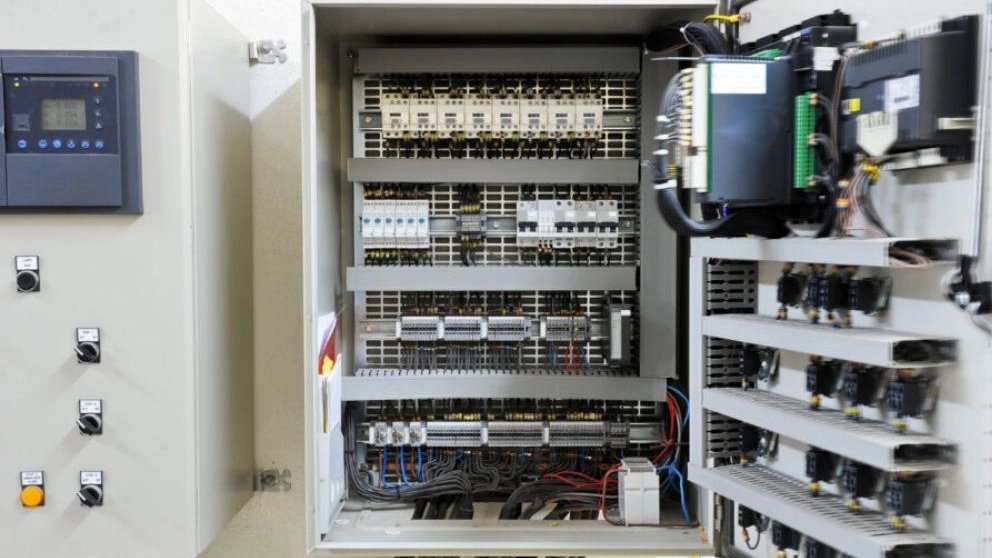
Industrial electrical panel is a compartment where the equipment and parts related to the electrical control of a space are kept. These signs are used in various industries including factories, workshops, and commercial and residential buildings. Also, this type of electrical panel has special features that distinguish it from household electrical panels, which include:
- ظرفیت بالا: تابلوهای برق صنعتی برای مدیریت سیستمهای برقی پیچیده در محیطهای صنعتی با بار بالا طراحی میشوند. آنها باید قابلیت تحمل جریانها و ولتاژهای بزرگ را داشته باشند.
- پایداری و قابلیت عملکرد در شرایط سخت: تابلوهای برق صنعتی باید قادر به عملکرد در شرایط محیطی سخت و متغیر باشند. این شامل دمای بالا یا پایین، رطوبت، ضربه و ارتعاشات میشود.
- امنیت و حفاظت: به علت اهمیت بالای سیستمهای برقی صنعتی، تابلوهای برق صنعتی باید دارای ویژگیهای حفاظتی مناسبی باشند تا از خطرات ناشی از اتصالات نادرست یا اتلاف برق جلوگیری کنند.
- انعطافپذیری در کنترل: تابلوهای برق صنعتی برای کنترل و مدیریت تجهیزات متنوع و پیچیده در صنایع مختلف طراحی میشوند. آنها باید دارای قابلیتهای کنترلی منعطف باشند تا نیازهای مختلف صنعتی را برآورده کنند.
- قابلیت مانیتورینگ و ردیابی: تابلوهای برق صنعتی اغلب دارای سیستمهای مانیتورینگ و ردیابی هستند که اطلاعاتی از عملکرد تجهیزات و مصرف انرژی را جمعآوری و نمایش میدهند.
- استانداردهای صنعتی: تابلوهای برق صنعتی باید با استانداردهای مخصوص صنعت برقی سازگار باشند تا اطمینان از عملکرد ایمن و قابل اعتماد آنها حاصل شود.
In general, industrial switchboards are essential factors in industrial environments that are used for the safe and optimal management of electrical equipment and have special features that are adjusted based on the different needs of all types of industrial environments; Therefore, it is better to consult with experts before buying an industrial switchboard to choose the right model for the intended purpose and industrial use.
The features of the home electrical panel
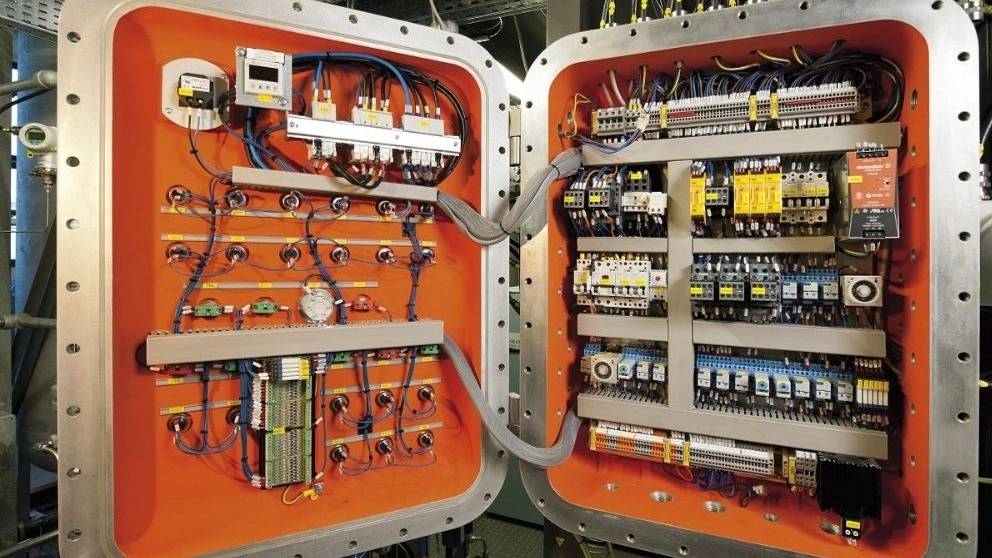
Household electrical panel is a compartment where equipment and parts related to electrical control of a residential building are kept. These panels are responsible for distributing electricity to different circuits of the building and protect people and equipment from the dangers of electrocution and short circuit. This type of electrical panel has important features that help the safety and proper operation of the home electrical system, and some of these features are:
- محافظت: تابلو برق خانگی باید دارای محافظتهای مختلفی باشد تا از خطراتی مانند برق گرفتگی، اتصال کوتاه، و بار اضافی محافظت کند.
- دسترسی آسان: تابلو برق باید به طور آسان قابل دسترسی باشد تا در صورت بروز مشکل، کاربران بتوانند به سرعت اقدام به قطع برق کنند.
- برچسبگذاری: تمامی مدارها و قطعات تابلو باید با برچسبهای مناسب شناخته شوند تا در صورت نیاز به تعمیر یا تعویض، کاربران بدون هیچ گونه اشکالی بتوانند آنها را شناسایی کنند.
- تعادل بار: تابلو برق باید توانایی مدیریت بار را داشته باشد تا جلوی اضافه بار و افت ولتاژ را بگیرد.
- مطابقت با استانداردها: تابلو برق باید با استانداردهای مربوط به نصب و ایمنی الکتریکی مطابقت داشته باشد.
- شناسایی مشکلات: تجهیزاتی برای شناسایی برخی از مشکلات مانند آمپرمترها و ولتمترها باید در تابلو برق موجود باشند.
- قابلیت توسعه: تابلو برق باید قابلیت توسعه و افزودن مدارهای جدید را داشته باشد تا با تغییرات نیازهای خانه همخوانی ایجاد کند.
- نصب صحیح: تابلو برق باید توسط تکنسین فنی ماهر نصب شود تا از مشکلات ناشی از نصب نادرست جلوگیری شود.